
Winter Prep3 min read
Heat Cable and Gutters: What Reno Homeowners Should Know
Heat cable can keep gutters and downspouts open in freezing weather, but it works best as a targeted fix, not a cure for bad drainage. Here’s what Reno homeowners should know.
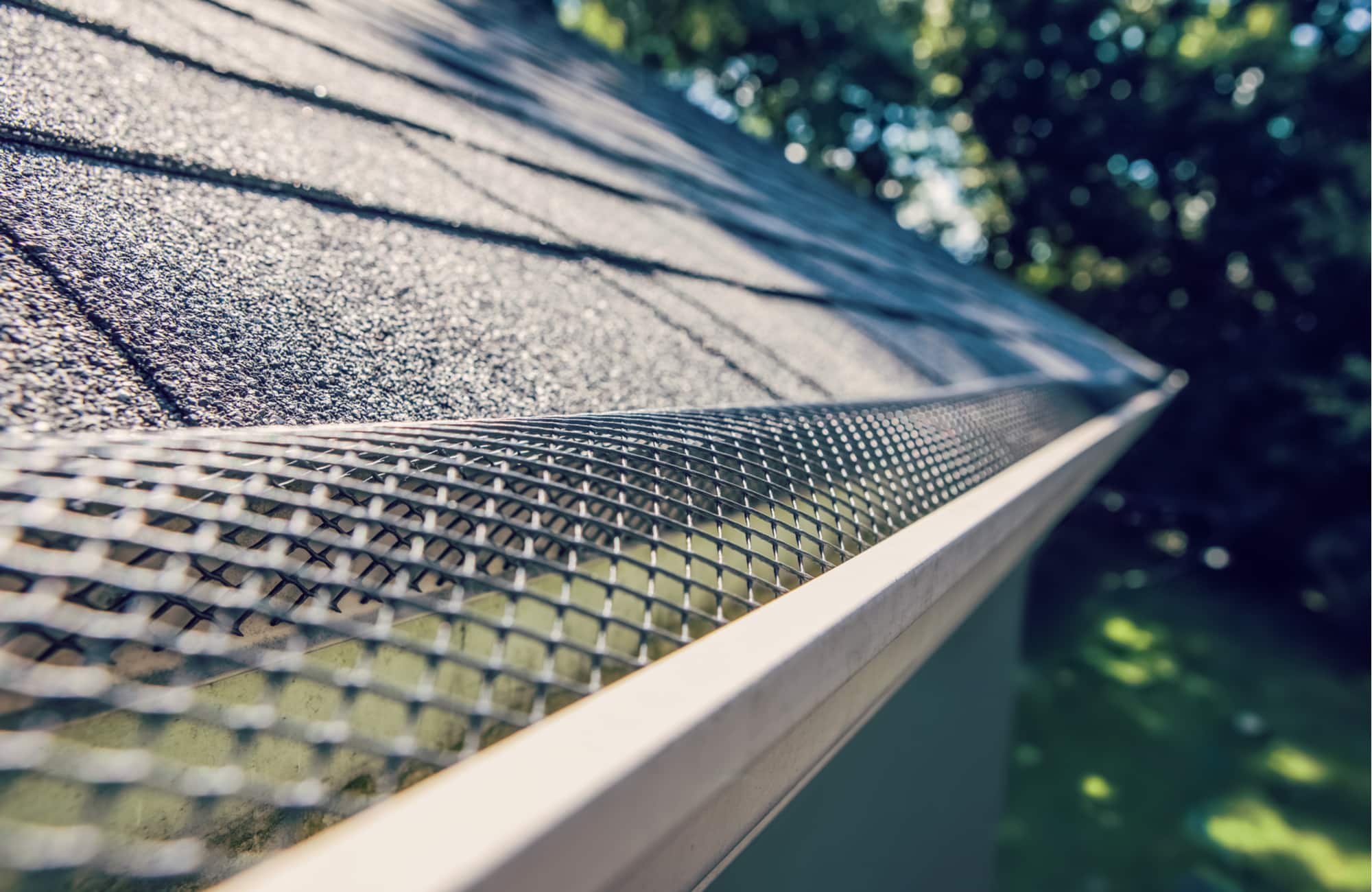
Heat cable, sometimes called heat tape, is an electric cable run along the roof edge and inside gutters and downspouts. It melts a channel through snow and ice so meltwater has a path to drain. In Reno, it can be a useful fix for a few problem spots, like a north-facing valley or a downspout that freezes every year, but it isn’t a substitute for gutters that are clean, properly pitched, and draining.
Where heat cable helps
- North-facing roof edges that stay shaded and frozen all day
- Roof valleys where snow piles and melts slowly
- Downspouts that freeze solid and back water into the gutter
- Low-slope roofs where ice tends to build up at the eaves
- Homes with known ice-dam history that can’t be fixed with insulation right away
Where it doesn’t help
Heat cable can’t fix a gutter that’s pitched wrong, full of debris, or leaking. It also doesn’t stop ice dams caused by heat escaping from the attic. In that case, the roof warms in the middle, snow melts and runs down, then refreezes at the cold eave. Heat cable might keep a channel open, but the real fix is attic insulation and ventilation.
How it’s installed
Cable is usually clipped to the roof edge in a zigzag pattern a couple of feet up from the eave, then run along the bottom of the gutter and down inside each downspout. The downspout run is the part people skip, and it’s the most important. If the cable stops at the gutter, water melts into the downspout and freezes there instead.
- Use cable rated for roofs and gutters, with an outdoor GFCI-protected outlet
- Run it all the way down the downspout to the outlet
- Never overlap cable on itself unless the manufacturer allows it
- Use the clips made for your roof type, not nails or screws through shingles
Self-regulating vs. constant wattage
Self-regulating cable puts out more heat as it gets colder and less as it warms up, so it’s more efficient and less likely to overheat. Constant-wattage cable is cheaper but runs at the same output all the time. For most homes, self-regulating cable on a thermostat or a simple timer is the better choice. Running cable 24 hours a day all winter wastes power.
Gutter guards and heat cable together
Heat cable can be used with many gutter guards, but the cable has to go in the gutter before the guard is installed, and the guard has to be compatible. Some micro-mesh guards are designed to work with heat cable underneath. If you’re planning both, tell your installer up front.
Check the gutters first
Before adding heat cable, make sure the gutters themselves are working. Clean them, check the pitch, and confirm each downspout drains freely. Many homeowners who think they need heat cable really need a downspout upsized from 2x3 to 3x4 inches, or a sagging run rehung.
Battle Born Gutters can inspect your gutters and tell you whether heat cable makes sense or whether a repair will solve the problem. Call (775) 414-4526 for a free estimate in Reno and the surrounding area.